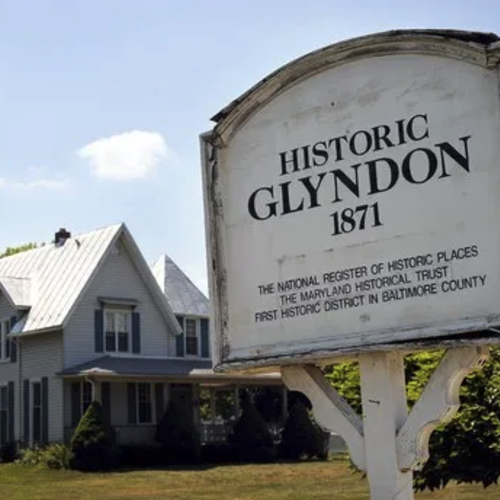


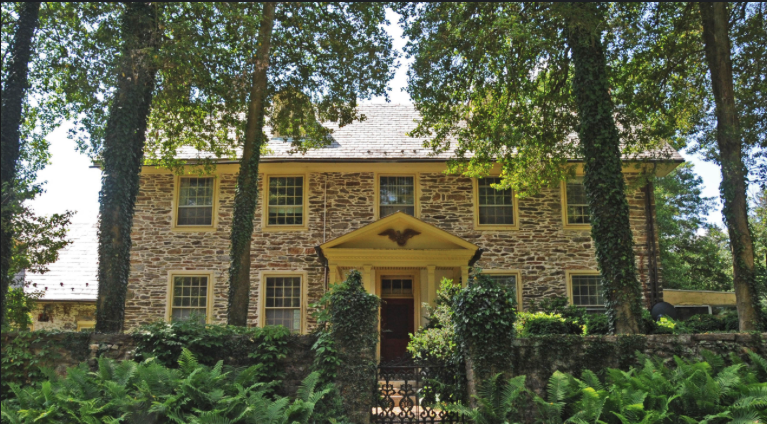
The name says it all. Phoenix—the legendary symbol of rebirth and vitality—was given to a small mill town on the Gunpowder Falls that rose, fell, and rose again across two centuries of Maryland history. Today, the Phoenix area of northern Baltimore County has emerged as something the original mill workers and cotton spinners could never have imagined: a sought-after residential community of horse farms, estate homes on multi-acre wooded lots, and forested hills, all threaded together by the NCR Trail and the Gunpowder Falls, and anchored by the nearby village of Jacksonville at the crossroads known as Four Corners. It is a place where the countryside feels untouched, the neighbors value privacy and stewardship, and Baltimore is just thirty minutes south on I-83.
With an average home sale price around $495,000 to $686,000, an average home size above 3,300 square feet, a majority of households earning $150,000 or more, and a landscape defined by rolling farmland, horse paddocks, and protected watershed, the Phoenix area offers a quality of life that is genuinely unlike anything else in the Baltimore metro.
A Mill Town Named for Rebirth: The History of Phoenix
Phoenix’s history is a story of water—water that built the community and water that eventually reshaped it. Settlement in the area dates to the eighteenth century, when the Gunpowder Falls powered the grain mills and agricultural enterprises that were the economic backbone of northern Baltimore County. The section along York Road was originally known as Philopolis—Greek for “Love Town”—and the surrounding valleys attracted farmers, millers, and the Quaker families whose Gunpowder Friends Meeting House, built in 1773, still speaks to the area’s deep spiritual roots.
By 1820, a cotton mill had started up along the Gunpowder in what would become Phoenix. When George Slothower purchased the operation in 1851, the mill occupied 187 acres and included a company store and 21 houses for workers—mostly women and children—who were slightly more prosperous than residents of similar mill towns. Slothower established a church and Sunday school in the company store, and Phoenix took on the character of a self-contained industrial village. Like many mill towns of the era, it was dry—temperance meetings were noted in local newspapers as early as 1853. By the 1870s, a hotel was in operation, and the Northern Central Railroad was delivering mail and passengers directly through the community.
But the Gunpowder River, so beneficial to Phoenix, ultimately became its undoing. Planning for the Loch Raven Reservoir began in 1908, and as the reservoir expanded, its watershed consumed the low-lying parts of the village. By the 1930s, the cotton mill was out of business. Passenger rail service ended in 1959, and the tracks themselves were destroyed by Tropical Storm Agnes in 1972. The post office was relocated to nearby Jacksonville in 1967, and with both communities sharing the 21131 ZIP code, the borders blurred. Today, Phoenix is a cluster of hill-hugging homes and two tiny churches surrounded by woodland, with several former millworkers’ homes surviving on a promontory above the watershed. The old railroad bed has been reborn as the NCR Trail—completing the phoenix’s metaphorical rise from the ashes.
Jacksonville: The Thriving Neighbor at Four Corners
Jacksonville, the community that grew up to the east of Phoenix around the intersection of Jarrettsville Pike, Paper Mill Road, and Sweet Air Road—known locally as Four Corners—has become the commercial and civic hub of the greater Phoenix area. A post office was established at Four Corners in 1888, and the village grew steadily as the surrounding countryside transitioned from purely agricultural use to residential development in the mid-twentieth century. Today, Four Corners offers the everyday conveniences that residents of a rural community need: banks, a Safeway-anchored Manor Shopping Center, Paper Mill Village shops, restaurants like Strapasta Trattoria, and essential services—all in a village-scale setting that retains a clean-swept, country-town character.
What Makes the Phoenix Area One of Northern Baltimore County’s Most Desirable Places to Live?
The NCR Trail and Gunpowder Falls: An Outdoor Paradise
The Torrey C. Brown Rail Trail—universally known as the NCR Trail—runs directly through Phoenix, and the community hosts one of the trail’s major parking areas. This 20-plus-mile paved and crushed-stone path follows the Gunpowder Falls from Ashland to the Pennsylvania state line, offering world-class hiking, biking, jogging, and horseback riding through some of the most beautiful scenery in Maryland. For Phoenix residents, the trail isn’t a weekend destination—it’s a backyard amenity used daily. Gunpowder Falls State Park’s Sweet Air Area, straddling the Little Gunpowder Falls nearby, adds another 1,250 acres of parkland with 18 miles of trails open to hikers, mountain bikers, and horseback riders. Fly fishing, tubing, and kayaking in the Gunpowder are warm-weather traditions. And Loch Raven Reservoir, whose creation reshaped Phoenix’s history, is now one of the region’s most treasured natural resources for fishing, hiking, and simply enjoying the protected landscape.
Horse Country and Estate-Scale Properties
The Phoenix area sits squarely in Baltimore County’s equestrian heartland. The rolling hills, open pastures, and protected farmland create an ideal setting for horse ownership, and numerous properties include barns, stables, paddocks, and riding rings. The proximity to Gunpowder Falls State Park’s horse trails—particularly the Sweet Air Area—makes Phoenix a natural home base for riders. The broader My Lady’s Manor landscape and the Elkridge-Harford Hunt country are just to the north and east, and the foxhunting and steeplechase traditions of northern Baltimore County run deep in the Phoenix area. Homes here reflect the equestrian lifestyle: Craftsman, Colonial, and Cape Cod styles on lots measured in acres, many with mature woodlands, stream frontage, and the kind of privacy that is simply unavailable closer to the city.
The Hunt Valley Golf Club
At the heart of the Phoenix community sits the Hunt Valley Golf Club, an 18-hole private course that serves as both a recreational amenity and a social anchor. The club’s Main Dining Room and Members’ Grille offer refined dining in a country-club setting, and the course itself provides a beautifully maintained landscape that enhances the entire community’s visual character. For residents who enjoy golf, the convenience of a private course within the community is a significant lifestyle benefit.
Top-Rated Schools
Families in the Phoenix area benefit from some of the strongest public schools in Baltimore County. Jacksonville Elementary School is known for its quality education and high academic standards, and students continue to either Hereford Middle School or Ridgely Middle School before attending one of the area’s highly regarded high schools, including Dulaney High School. Homes within the coveted Hereford Zone school boundaries command a premium, and for families who prioritize public education, Phoenix offers access to school ratings that are among the best in the state of Maryland. Private school options in the broader region include St. Paul’s School, Calvert Hall, Loyola Blakefield, McDonogh, and Garrison Forest.
A Community That Fights for Its Rural Character
Phoenix and Jacksonville residents are not passive beneficiaries of their beautiful surroundings—they are active defenders of them. The Greater Jacksonville Association and other community organizations have consistently advocated for responsible development, land preservation, and the maintenance of the area’s rural character. Residents have fought proposed developments, pushed for zoning protections, and worked with county officials to ensure that growth does not compromise the landscape and lifestyle that drew them here in the first place. This is a community where people genuinely care about what the view looks like from the next house down the road—and that stewardship is a major part of what makes Phoenix special.
Location: Country Living with I-83 in Your Back Pocket
Phoenix is situated approximately 20 miles north of Baltimore City, with I-83 accessible via nearby exits that put downtown Baltimore about thirty minutes south and Hunt Valley just minutes away. Jarrettsville Pike (MD-146) and Sweet Air Road serve as primary local routes, connecting the community to the Four Corners village center and to surrounding communities including Sparks, Monkton, and Cockeysville. Hunt Valley Towne Centre—with Wegmans, national retailers, restaurants, and a cinema—is about ten minutes west. The Light Rail terminus at Hunt Valley provides transit access to downtown Baltimore and BWI Airport. Dulaney Valley Road connects south toward Towson and the Baltimore Beltway. For commuters who work along the I-83 corridor, at Towson University, at Greater Baltimore Medical Center, or in downtown Baltimore, Phoenix delivers an authentic country lifestyle without an unreasonable commute.
Phoenix Real Estate: Space, Quality, and a Rural Premium
The Phoenix housing market is defined by space and character. With an average home size above 3,300 square feet, an average price per square foot around $424, and an average home age of approximately 41 years, the market offers homes that are both substantial and established. Prices range from the high $300,000s for smaller Colonials and Cape Cods to close to $1 million and beyond for larger estates on premium lots. Most homes have at least four bedrooms, and many sit on one to five or more acres of wooded, rolling terrain. Equestrian properties with barns and pastures are a distinctive feature of the market. The majority of households earn $150,000 or more, reflecting a community of professionals, executives, and families who have chosen Phoenix deliberately for its combination of space, schools, nature, and proximity to Baltimore.
Inventory in the Phoenix area tends to move at a measured pace—average days on market hover around 70—reflecting a market where buyers are selective and properties are unique. Every home in Phoenix has its own relationship to the land, the trails, the golf course, or the surrounding horse country, and navigating this market requires an agent who understands the nuances that make each property distinct.
Ready to Explore Phoenix?
At The Balcerzak Group, we understand that buying in the Phoenix area is about more than square footage and comparable sales—it’s about finding the right relationship between your home, the land, and the lifestyle you want. We know the roads, the school boundaries, the trail access points, and the subtle differences between Phoenix’s neighborhoods that can make a meaningful difference in your daily life. Whether you’re searching for a horse property with pastures and trail access, a Colonial on a wooded cul-de-sac, an estate with panoramic views, or simply want to understand what northern Baltimore County has to offer, we’re here to help.
Browse current Phoenix listings, request a free home valuation, or reach out to start a conversation. Named for the mythical bird that rises from the ashes, Phoenix has been reinventing itself for two centuries—and today, it’s one of the most beautiful and compelling places to live in the Baltimore region. We’d love to help you find your place in it.
Click here for current Phoenix Homes for Sale!
— The Balcerzak Group —
Your Local Baltimore County Real Estate Experts
Check out this article next